
“I don’t want to go to school” rarely means what it sounds like on the surface. At Kids in Motion Learning Center, our teachers across Snellville, Tucker, and Loganville hear this phrase often, and it’s almost always pointing to something specific rather than a dislike of school itself.
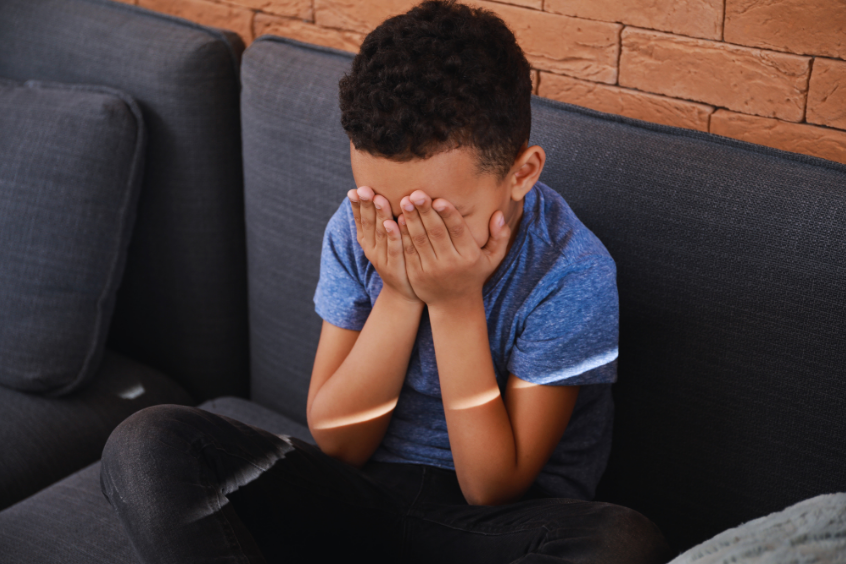
Common Reasons Behind the Refusal
Separation Anxiety: For younger children especially, the resistance is often about leaving a parent, not the classroom.
Social Friction: A disagreement with a friend or trouble finding their place in a group can make a child dread the day.
Overstimulation: A classroom full of noise and transitions can feel like a lot, especially later in the week.
Simple Tiredness: A late night or a change in routine can show up the next morning as sudden resistance to school.
Phase or Something More
Most refusal is short-lived and tied to one identifiable cause. If resistance continues for weeks, shows up alongside other behavior changes, or comes with physical complaints like stomachaches, it may be worth a closer conversation with your child’s teacher or pediatrician. Building the kind of confidence and adaptability that helps kids push through tough mornings connects closely to what skills matter most for children as they grow.
How Teachers Notice and Respond Early
At Kids in Motion Learning Center, our staff across all three Gwinnett County locations are trained to watch for behavioral shifts before they become a pattern. A child who’s usually social but suddenly withdrawing tells us something worth paying attention to. Catching it early makes the difference between a one-week phase and a month-long struggle.

What Parents Can Do at Home
- Keep morning routines calm and predictable.
- Ask specific questions rather than open-ended ones.
- Avoid making drop-off longer to compensate for reluctance.
- Loop in your child’s teacher.
FAQ
Is it normal for my child to suddenly not want to go to school?
Yes. Most children go through phases of resistance at some point.
How long does this usually last?
Most cases resolve within a few days to a couple of weeks.
When should I be more concerned?
If resistance continues for weeks or comes with physical symptoms, talk to your child’s teacher or pediatrician.
Supporting Kids Through Tough Mornings at Kids in Motion Learning Center
School refusal is almost always a signal pointing to something specific, not a reflection of how a child feels about school in general. Most resistance resolves quickly once the cause is addressed. Open communication between parents and teachers makes the biggest difference.
If you are looking for a daycare in Snellville, Tucker, or Loganville where teachers know your child well enough to notice when something’s off, please contact your nearest center to learn more. To see our classrooms in action, you can book a tour today. Explore our programs to learn more about how our classrooms support every age group.
Kids in Motion Academy
📍 3602 Chamblee Tucker Rd, Atlanta, GA 30341, United States
📞 (470) 5545-2600
📧 info2@kimalearningcenter.com
🌐 www.kimalearningcenter.com
